


Understanding Supplements: What You Need to Know
Supplements have become a common part of many people’s wellness routines. From vitamins and minerals to other nutritional products, supplements are designed to provide nutrients or other substances that may complement your diet. However, understanding when and how to use them is important.
What Are Supplements?
Dietary supplements are products that contain ingredients such as vitamins, minerals, herbs, amino acids, or other nutritional substances. They are generally available in forms such as tablets, capsules, powders, liquids, and gummies.
The purpose of a supplement can vary. Some people may use supplements to address a documented nutritional deficiency, while others may use them as part of a specific dietary or wellness plan.
Do Everyone Need Supplements?
Not everyone needs supplements. A balanced diet can provide many of the nutrients your body requires. However, certain people may have increased nutritional needs or may not get enough of a particular nutrient through food alone.
Factors such as age, dietary patterns, pregnancy, certain medical conditions, and medications can influence nutritional requirements. For this reason, it is useful to understand your individual needs rather than choosing supplements simply because they are popular.
Read the Label Carefully
Before purchasing a supplement, take time to read the product label. Look at the serving size, ingredients, amount of each nutrient, recommended usage, and other relevant information.
Avoid assuming that a higher amount is automatically better. Some nutrients can cause problems when consumed in excessive quantities. Always follow the recommended serving instructions unless a qualified healthcare professional advises otherwise.
Supplements Are Not a Replacement for Healthy Habits
Supplements should generally complement a healthy lifestyle rather than replace it. A nutritious diet, regular physical activity, adequate sleep, hydration, and appropriate medical care remain important foundations of overall wellness.
For example, taking a vitamin supplement does not replace eating a varied diet that contains fruits, vegetables, whole grains, proteins, and other nutritious foods.
Talk to a Healthcare Professional When Needed
If you have a medical condition, take prescription medicines, are pregnant or breastfeeding, or are considering taking multiple supplements, it is wise to discuss your plans with a doctor, pharmacist, or qualified healthcare professional.
Some supplements may interact with medicines or may not be appropriate for certain individuals.
Make Informed Choices
Supplements can be useful when they are chosen and used appropriately. The most important step is understanding why you are considering a supplement and whether it is suitable for your needs.
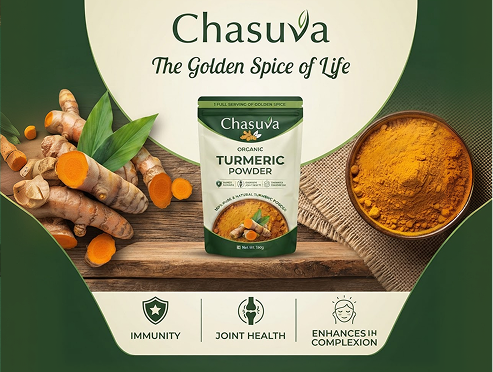
At Chasuva, we believe informed choices are an important part of everyday wellness. Take time to understand the products you use, read their labels carefully, and seek professional advice whenever you are unsure.